
A UK cleanroom conference addressing key drivers in the cleanroom industry
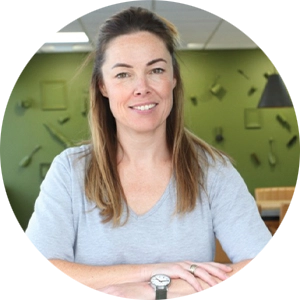
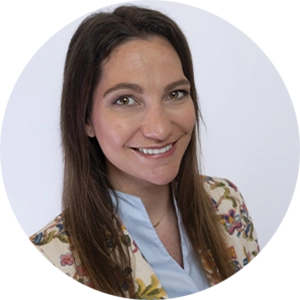
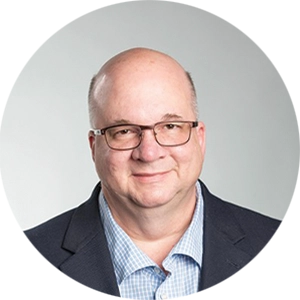
Toni Horsfield and Stephen Ward
CLEANROOM TECHNOLOGY CONFERENCE CHAIRS
TONI HORSFIELD
Toni Horsfield is the Founder and Managing Director of ISO Cleanroom. A respected industry voice, Toni serves on the CCN Board and supports the CTCB-I Examination team and is known for her innovative approach and commitment to advancing cleanroom standards.
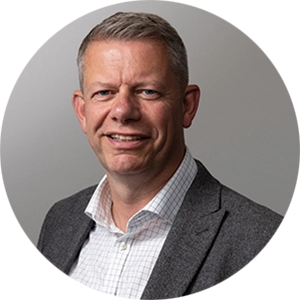
STEPHEN WARD
Stephen Ward is Chairman of the LBI/30 Cleanroom Technology Committee for the British Standards Institution (BSI) and Managing Director at T-SQUARED Validair. Stephen has been in the cleanroom industry for over 35 years. His primary role is providing validation consultancy for cleanrooms, contamination control equipment, and specialist environments
Akeel Ahmed
Business Development Manager
SPEAKER TOPIC
Flooring Challenges in Pharmaceutical Cleanroom Environments: From Compliance to Long-Term Performance
Biography
Akeel is a Construction Management graduate from Teesside University with 11 years’ experience in the construction sector, including eight years specialising in industrial flooring for food, beverage and pharmaceutical environments. Now Business Development Manager at Kemtile, part of Stonhard, he supports UK clients and consultants with cleanroom flooring design through to completed installation, working with leading pharmaceutical brands such as AstraZeneca and GSK.
Presentation Outline
Pharmaceutical cleanroom environments place extreme demands on flooring systems, from strict GMP compliance and cleanability requirements to long-term resistance against aggressive cleaning regimes, chemicals, traffic, and operational downtime constraints.
This presentation will address the most common flooring-related challenges seen in pharmaceutical manufacturing and cleanroom facilities, based on real project experience across Europe. It will also show how early design decisions, correct material selection, and lifecycle-driven thinking can significantly reduce risk, operational disruption, and long-term cost.
Andrea Harman
Concept Developer
SPEAKER TOPIC
Noise annoys: Improving acoustics in clean environments

Biography
Andrea Harman is a UK and Ireland based Concept Developer for Saint-Gobain Ecophon. Having worked in the field of room acoustics for many years she is active in developing the link between the sound environment and health and well-being. From this research based framework she writes and presents both in the UK and internationally on the sensory impacts of noise on interaction, performance, stress, and recovery.
Presentation Outline
Cleanroom design aims to stop pollutants in a controlled environment, but one pollutant often slips through, this is noise. In this presentation we take a look, listen and experience how different sounds affect us demonstrating how, as individuals, we perceive sound differently and how noise can have a huge effect on people working and concentrating in a space. We then look at how the acoustic environment can be controlled and adapted to mitigate the effects whilst maintaining compliance to cleanroom standards.
Angela Holland
Consumables Group Product Manager
SPEAKER TOPIC
If You’re Not Testing It, How Do You Know? A practical method of assessing suitability of cleanroom consumables using EN 14644-18
Biography
Angela joined Micronclean in 2022 as Consumables Group Manager, where she sets the strategic future for the Cleanroom consumables division. With over 10 years in leadership roles Angela works closely with internal and external stakeholders to shape the future of the Micronclean Consumables product line
Presentation Outline
Established methods for assessing particulate generation from cleanroom consumables are typically product-specific. Techniques such as Helmke drum testing for garments and liquid particle counting for wipes and gloves are widely understood and applied. However, many commonly used cleanroom items, including trigger sprays, stationery and specialist cleaning tools, fall outside of these defined methodologies, leaving a gap in practical assessment approaches.
This presentation introduces a pragmatic and accessible method for evaluating particulate generation from a wide range of cleanroom consumables. Based on the principles outlined in EN 14464-18, this approach translates guidance into a simple, repeatable test that can be applied in real-world environments.
The method has been designed with practicality in mind, requiring no highly specialised equipment and enabling implementation within existing cleanroom facilities. Attendees will gain insight into how this approach can be used to support risk-based decision making, improve contamination control strategies, and extend particulate assessment beyond traditional product categories.
Tasmin Crompton
Technical Lead
SPEAKER TOPIC
If You’re Not Testing It, How Do You Know? A practical method of assessing suitability of cleanroom consumables using EN 14644-18

Biography
Tasmin joined Micronclean in 2019 after an MSc in Analytical Chemistry. After 6 years in R&D, Tasmin now forms part of Micronclean’s new Technical Department, with a focus on sharing knowledge and resources, providing technical support and monitoring industry advancements.
Presentation Outline
Established methods for assessing particulate generation from cleanroom consumables are typically product-specific. Techniques such as Helmke drum testing for garments and liquid particle counting for wipes and gloves are widely understood and applied. However, many commonly used cleanroom items, including trigger sprays, stationery and specialist cleaning tools, fall outside of these defined methodologies, leaving a gap in practical assessment approaches.
This presentation introduces a pragmatic and accessible method for evaluating particulate generation from a wide range of cleanroom consumables. Based on the principles outlined in EN 14464-18, this approach translates guidance into a simple, repeatable test that can be applied in real-world environments.
The method has been designed with practicality in mind, requiring no highly specialised equipment and enabling implementation within existing cleanroom facilities. Attendees will gain insight into how this approach can be used to support risk-based decision making, improve contamination control strategies, and extend particulate assessment beyond traditional product categories.
Aqeel Ahmed
Technical Director
Vetz Pharmaceuticals
SPEAKER TOPIC
Cytotoxic Facilities: Beyond Cleanrooms – Integrated Containment Strategies

Biography
Aqeel Ahmed is a seasoned pharmaceutical operations leader with over two decades of experience in cleanroom design, sterile manufacturing, contamination control, and high-containment facilities including cytotoxic, oncology, and beta-lactam operations. Currently serving as Technical Director at Vetz Pharmaceuticals, Pakistan, he advises organisations on optimising GMP-compliant facilities, enhancing cleanroom performance, and strengthening manufacturing excellence across complex pharmaceutical environments.
Presentation Outline
Manufacturing cytotoxic and highly potent medicines involves significant risks to workers, the environment, and product quality. Traditional cleanrooms are designed to protect products from contamination but are not always sufficient to safeguard personnel from hazardous drug exposure. Modern pharmaceutical facilities must adopt integrated containment strategies to ensure safety, efficiency, and regulatory compliance.
This presentation highlights practical approaches, including specialised room pressure controls, high-containment isolators, closed-system transfer devices, controlled material and personnel flows, and advanced personal protective equipment (PPE). Real-world examples demonstrate how pharmaceutical companies enhance safety, optimize workflows, and reduce occupational exposure while meeting global standards. Key references include WHO Good Manufacturing Practices for Pharmaceutical Products Containing Hazardous Substances (TRS 957, Annex 3, 2010), USP <800>, EU GMP Annex 1, and ISOPP 2022.
Attendees will also gain insight into future trends, such as modular facility designs, automation, robotics, and digital monitoring systems, supporting safer, versatile, and next-generation cytotoxic manufacturing environments.
Biography
Bart Onderbeke is General Manager at Alsico Contamination Control, where he leads the company’s strategy and development in cleanroom garments.
With more than 20 years of experience in the cleanroom industry, Bart has built extensive expertise in cleanroom garments, contamination prevention, and technical garment solutions for highly controlled environments. Throughout his career, he has worked closely with customers across the pharmaceutical, healthcare, electronics, and life sciences sectors.
Known for his practical approach and deep technical knowledge, Bart is passionate about helping companies improve safety, compliance, and comfort through innovative cleanroom garment systems.
During his presentation, Bart will guide you through the world of cleanroom garments, sharing valuable insights into contamination risks, garment selection, and the future of protective clothing in controlled environments.
Presentation Outline
- Gowning procedures and their significance in the validation process of cleanroom garments.
- Understanding the influential role of undergarments, coveralls, and various fabrics in maintaining cleanliness levels within cleanroom environments.
- Benefits of optimized garments complied with the Annex 1 for the people working in a cleanroom.
- Exploring the End-of-Line (EOL) validation methods in line with the requirements outlined in Annex 1.
- Sustainability aspect /cleanroom garments
David Wright
Product Marketing Manager – Contamination Control
SPEAKER TOPIC
To be confirmed
Biography
David Wright is the Product Marketing Manager for Cleanrooms and Controlled Environments at Particles Plus. Since joining the company in 2024, he has traveled to 18 countries to support customers, applications, training, and cleanroom monitoring needs across critical industries. Before joining Particles Plus, David worked as a Materials & Processes and Contamination Control Engineer supporting NASA at Kennedy Space Center, including the Artemis, International Space Station, and Launch Services programs. He holds a B.S. in Materials Science and Engineering from Auburn University and brings a practical engineering background to helping facilities improve monitoring strategies, strengthen contamination control practices, and enhance cleanroom performance.
Presentation Outline
Managing people in and around cleanrooms is often more challenging than managing airflow, filtration, or particle counts. Many organizations have the signs posted, the training completed, and the procedures documented, yet contamination events and compliance gaps still occur. This presentation challenges the assumption that documentation alone creates compliance.
Drawing from firsthand experience overseeing cleanroom compliance at NASA’s Kennedy Space Center, this presentation will explore how complexity, cognitive overload, and human behavior undermines even well-designed systems. Why do operators ignore signs placed directly in front of them? Why do teams who have been trained continue to make the same mistakes over and over again? Why do knowledgeable professionals sometimes choose not to follow the rules?
Through practical anecdotes and human-factors research, this session reframes contamination control as a leadership challenge rather than a documentation problem. It focuses on how communication design, training structure, and verification systems influence real-world behavior. Ultimately, cleanroom performance improves not by adding more instructions, but by aligning communication, training, and compliance with how people actually think and operate.
Gonzague Vallière
Cleanroom Segment Specialist & Account Manager
SPEAKER TOPIC
Are Your Gloves Undermining Your ESG Efforts? Data, Regulations, and Actionable Fixes

Biography
Gonzague Vallière is a Cleanroom Segment Specialist and Account Manager with expertise in supporting highly regulated industries such as pharmaceuticals, life sciences, and advanced manufacturing. He focuses on developing strategic customer relationships and delivering tailored contamination-control and cleanroom solutions that meet stringent operational and compliance requirements.
With a strong commercial and technical background, Gonzague combines consultative sales with deep industry knowledge to help clients optimise performance, maintain regulatory standards and drive long-term value. His role involves managing key accounts, identifying growth opportunities, and acting as a trusted advisor across complex B2B environments where precision, reliability, and quality are critical.
Presentation Outline
Glove sustainability is won – or lost – across the lifecycle, not just at waste.
We’ll quantify where impact really occurs (manufacturing energy/water vs. transport/packaging) and translate end of life realities for GMP environments. Then we look ahead: regulatory implications, credible product claims vs. company level badges, and the one or two operational changes that matter most in QA, EHS, and procurement.
Expect trigger questions to connect insights to your site (SOPs, validations, supplier audits) and actionable steps you can take next quarter to reduce risk and footprint without compromising compliance.
Hanna De Neve
Global Marketing Manager
SPEAKER TOPIC
Endotoxin Control in Cleanrooms: Closing the gap in glove qualification practices
Biography
Hanna De Neve has a background in Biomedical Sciences and a Master’s in General Management, who has spent the past decade leading strategic growth of the company’s global cleanroom portfolio. With international experience across Belgium, Paris and Australia, she brings a global perspective to the intersection of science, business and healthcare, and is a passionate advocate for advancing cleanroom practices worldwide.
Presentation Outline
In the manufacture of sterile medicinal products, gloves are a critical barrier between operator and product. While sterility assurance remains a cornerstone of contamination control, the risk posed by endotoxin contamination—particularly from sterile gloves—has been largely underestimated. GMP Annex 1 now explicitly calls for the prevention of microbial, particulate, and endotoxin/pyrogen contamination, urging manufacturers to adopt a holistic Contamination Control Strategy (CCS).
This presentation will explore how sterile gloves, often assumed to be safe once sterilized, can carry endotoxin loads that compromise product quality and patient safety—especially in high-risk applications such as parenteral drug manufacturing.
Jim Polarine
Principal Consultant, Technical Services
SPEAKER TOPIC
Cleaning Classified Rooms to meet EU Annex 1 requirements
Biography
A recipient of the Parenteral Drug Association Michael S. Korczynski Award and Service Appreciation Award, he leads updates to key PDA technical reports and industry guidance, is an active member of PDA leadership and the Institute of Environmental Sciences and Technology, and is a frequent international speaker and educator in contamination control.
Presentation Outline
This seminar will cover key components of CCS (Contamination Control Strategy) in a recent biopharma disinfectant field trial. The case study utilized a ready to use quaternary ammonium disinfectant and a hydrogen peroxide/peracetic acid sporicide to control bioburden in a new cleanroom operation post construction. Material flow, engineering controls, utility supplies, and operational procedures will be discussed. This presentation will cover new details such as witnessing activities during a disinfectant field trial from the new PDA Technical Report #70. In depth, field trial environmental monitoring data will be covered. This CCS case study has recently been published in Cleanroom Technology Europe.
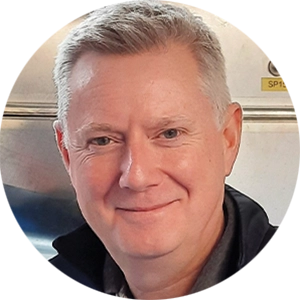
Keith Beattie
Director
SPEAKER TOPIC
Explore how pharmaceutical cleanroom engineering and design can evolve to unlock significant energy efficiency gains without compromising compliance or product integrity
Biography
Keith Beattie has over 25 years of experience in the pharmaceutical industry and is Director at EECO2, a global provider of sustainability solutions for life sciences and high-tech sectors. He specialises in energy and water efficiency, carbon reduction, HVAC, and cleanroom design.
A recognised thought leader, Keith has worked with leading pharma companies worldwide and co-authored ISO 14644-16 on cleanroom energy efficiency. He is an active contributor to ISPE and regularly speaks at industry events on sustainability and low-carbon innovation.
Presentation Outline
Keith Beattie and Nick Bancroft from EECO2 will explore how pharmaceutical cleanroom engineering and design can evolve to unlock significant energy efficiency gains without compromising compliance or product integrity. The session addresses the critical role of stakeholder engagement in navigating change—highlighting why perceived risk often outweighs actual risk when implementing proven strategies such as air change rate reduction. Attendees will learn how to challenge traditional norms and foster confidence in innovative approaches. A key focus will be EECO2’s ICCS (Intelligent Cleanroom Control System), which enables demand-based ventilation, delivering measurable energy savings while maintaining GMP standards. The presentation will also cover complementary methods for optimizing HVAC performance and reducing operational costs. By reframing risk perception and aligning stakeholders around data-driven solutions, this talk provides a roadmap for achieving sustainability targets in cleanroom environments.
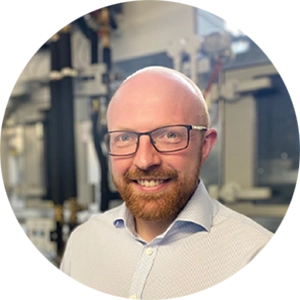
Nick Bancroft
SPEAKER TOPIC
Explore how pharmaceutical cleanroom engineering and design can evolve to unlock significant energy efficiency gains without compromising compliance or product integrity
Biography
Nick Bancroft is Products & Operations Director at EECO2 Ltd, a global energy efficiency consultancy specialising in regulated cleanroom environments. Nick has led the implementation of adaptive airflow solutions across pharmaceutical facilities, working through differing validation philosophies and complex system integration challenges. His work is grounded in performance data from implemented systems and focuses on making energy reduction practical, credible, and beneficial for Engineering and Quality teams.
Presentation Outline
Keith Beattie and Nick Bancroft from EECO2 will explore how pharmaceutical cleanroom engineering and design can evolve to unlock significant energy efficiency gains without compromising compliance or product integrity. The session addresses the critical role of stakeholder engagement in navigating change—highlighting why perceived risk often outweighs actual risk when implementing proven strategies such as air change rate reduction. Attendees will learn how to challenge traditional norms and foster confidence in innovative approaches. A key focus will be EECO2’s ICCS (Intelligent Cleanroom Control System), which enables demand-based ventilation, delivering measurable energy savings while maintaining GMP standards. The presentation will also cover complementary methods for optimizing HVAC performance and reducing operational costs. By reframing risk perception and aligning stakeholders around data-driven solutions, this talk provides a roadmap for achieving sustainability targets in cleanroom environments.
Lene Blicher Oleson
Senior Consultant
SPEAKER TOPIC
Preparing a Contamination Control Strategy (CCS) according to EU–GMP Annex 1
Biography
Lene Blicher Olesen is a Senior Consultant and specialist at NIRAS, with more than 25 years of experience in the biopharmaceutical industry. Her work focuses on environmental monitoring, microbiology, cleanrooms, isolators, and aseptic processing.
Alongside her technical work, Lene is Chairperson of the Danish Cleanroom Society at Danish Standards, Chairperson of R3 Nordic, and a board member of ICCCS. She is closely involved in industry standards and good practice across cleanroom and pharmaceutical environments.
Her key areas of expertise include environmental monitoring, cleanroom technology, aseptic formulation and filling, isolator technology and H₂O₂ decontamination, pharmaceutical packaging, and quality control.
Lene has an engineering background in chemistry and microbiology from the Technical University of Denmark and holds a Master of Public Governance from Copenhagen Business School and the University of Copenhagen.
In her session, Lene will give a practical introduction to preparing a Contamination Control Strategy in line with EU-GMP Annex 1 (2022), including key changes, risk assessment, and the main areas that should be covered.
Presentation Outline
The European Union’s Good Manufacturing Practice (EU-GMP) Annex 1 was revised in 2022 to strengthen the control of contamination risks in the manufacture of sterile medicinal products. A major addition in this revision is the introduction of the Contamination Control Strategy (CCS) — a comprehensive, facility-wide approach to identifying, assessing, and mitigating potential sources of contamination. The CCS builds upon principles of Quality Risk Management (QRM) and requires continuous review and improvement. Its purpose is to ensure that all processes, systems, and equipment are designed and maintained to prevent contamination, rather than compensating for poor design or practices. This shift emphasizes proactive, science- and risk-based control of contamination throughout the product lifecycle.
Lesley Taylor
Chief Regulatory Officer
SPEAKER TOPIC
The difference between active and passive cleaning
Biography
Lesley holds a BSc Hons in Biochemistry and Microbiology from the University of Wales, Aberystwyth. Her experience in antimicrobials spans 24 years, supporting both the business and customers with regulatory requirements globally. She’s previously held positions at Law laboratories and as Technical and Regulatory Manager at BioCote Limited.
Presentation Outline
Cleanroom environments are designed to minimise contamination, yet microbes persist across surfaces, equipment, and operator interactions. While established cleaning and disinfection protocols are highly effective at the point of application, they provide no residual protection between cleaning cycles, allowing microbial populations to recover.
This presentation explores the concept of passive hygiene and its role in supporting cleanroom contamination control strategies. By integrating antimicrobial technologies directly into materials and surfaces, passive hygiene provides continuous inhibition of microbial growth between cleans.
The session will examine key contamination sources within cleanrooms, the limitations of active hygiene measures, and practical applications of antimicrobial technologies across high-touch surfaces, equipment, and built environments. Regulatory considerations and implementation strategies will also be discussed.
Attendees will gain insight into how passive and active hygiene approaches can work together to enhance contamination control, support GMP compliance, and reduce operational risk.
Mark Hallworth
Life Sciences Strategic Senior GMP Scientist
SPEAKER TOPIC
A Practical Guide to Performing an Environmental Monitoring Risk Assessment
Biography
Since joining PMS in 1997, he has led and validated over 200 global monitoring system projects, lectures for organizations such as Parenteral Drug Association and International Society for Pharmaceutical Engineering, and has authored numerous publications including an Environmental Monitoring Handbook E’Book.
Presentation Outline
This presentation, reviews the step in performing an Environmental Monitoring Risk Assessment (EMRA) per chapter 9 of Annex 1. It follows a full review of the process including the steps required for an HACCP review, and then a quantitative FMEA analysis of a clean process. The session will also focus on performing a risk assessment of a Gloveless Isolator, using a tub filling process, this includes some audience participation in the understanding of how risks are perceived and weighted. The process culminates in the location, frequency and type of monitoring required to meet the current Annex 1 initiative and how to balance this within the sites CCS.
Mark Wheeler
Managing Director
SPEAKER TOPIC
Quick Compliance: Pre-Fabricated Cleanrooms and the Future of Pharmaceutical Facilities
Biography
Mark Wheeler is Managing Director of Guardtech, a leading UK cleanroom construction specialist. With more than 20 years of experience in the contamination control industry, he has played a key role in the company’s growth, helping scale the business significantly through strategic restructuring, innovation, and expansion.
Having progressed from Commercial Director, Mark now leads Guardtech’s next phase, building on its strong family heritage while driving forward its mission to deliver world-class cleanroom solutions across life sciences and high-tech industries.
Presentation Outline
Mark Wheeler will discuss the key aspects surrounding compliance when it comes to designing and manufacturing revolutionary pre-fabricated shipping container facilities for a wide range of applications – notably Healthcare and Pharmaceuticals.
The presentation will provide detail on the different construction considerations that aid compliance, leaning on Guardtech’s string of recent Cleancube projects for the NHS (aseptic compounding and ATMP facilities) and elite Pharma companies.
Morgan Polen
Contamination Control Expert
SPEAKER TOPIC
Misunderstood Cleanroom Tests: Airflow visualization (Smoke Studies). Recovery test, Containment leak test.
Biography
As a key member of Microrite’s Expert Contamination Control team, Morgan is instrumental in developing proactive contamination control strategies through pragmatic risk assessment, troubleshooting contamination issues and helping with FDA 483/warning letter remediation activities.
Presentation Outline
The qualification and requalification of cleanrooms and clean air equipment used for manufacturing sterile medical products is outlined in the US FDA Sterile Aseptic Guidance, USP 797, and International GMP Annex 1.
Unfortunately, Smoke Studies, Recovery Studies, and Containment Leak Testing are not well-understood tests. Cleanrooms and entire manufacturing areas have been incorrectly tested, allowing for unsuitable environments to be used in the manufacturing of sterile medical products. The results of this have led to regulatory observations, warning letters, import holds, the forced closure of facilities, and even patient harm.
This presentation will discuss the nature of these tests and provide case histories where errors in this testing have occurred.
Nicole Gale
QC Manager
SPEAKER TOPIC
From Paper to Digital: Lessons Learned in the Environmental Monitoring Journey.

Biography
Experienced Quality Scientist with a background in Medical Devices and Pharmaceuticals. Quality aspects of product development including TB accessory and COVID-19 test kits. Line management and training responsibilities. Skilled in process and equipment validation, ELISPOT assays, risk analysis and audit preparation for ISO13485 and 17025, MHRA, MDSAP, FDA and UKAS.
Presentation Outline
This presentation will walk through the real-world experience of implementing a digital Environmental Monitoring system in a GMP-regulated pharmaceutical site.
Nicole will share the practical benefits, key challenges, and critical success factors encountered during the transition — from initial resistance and system validation to day-to-day usage and continuous improvement.